Blog Posts
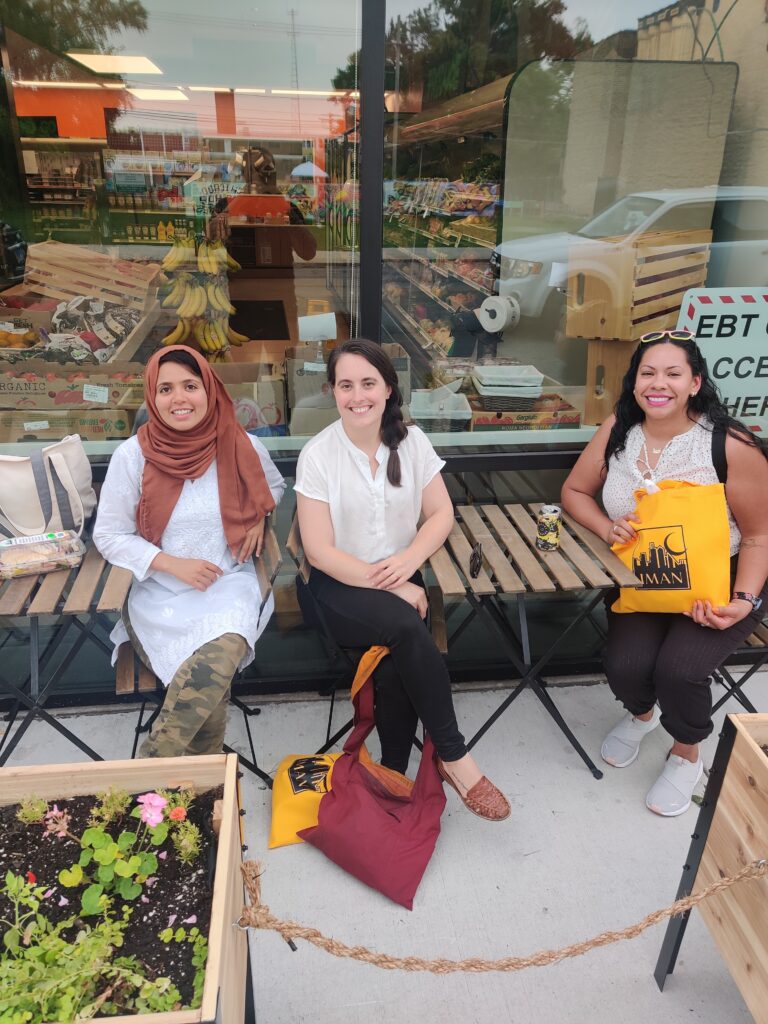 Laura Gutierrez and Haven Leeming with our partner at IMAN Fresh Market in 2022.
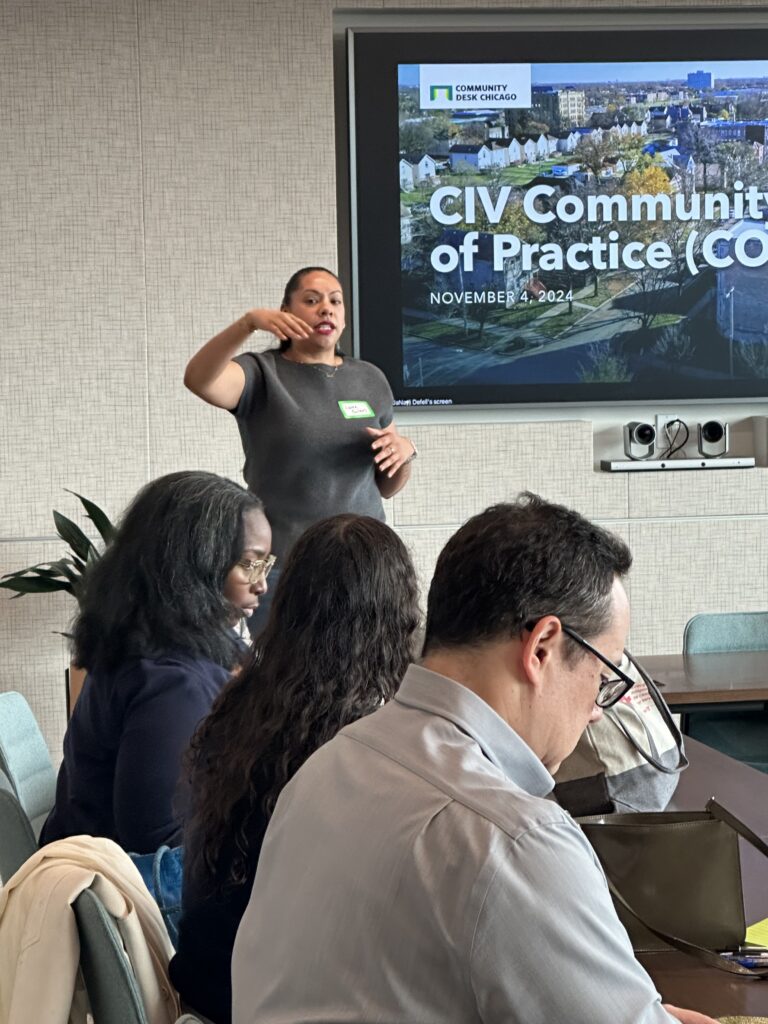 Laura Gutierrez presenting to partners from Community Desk Chicago.
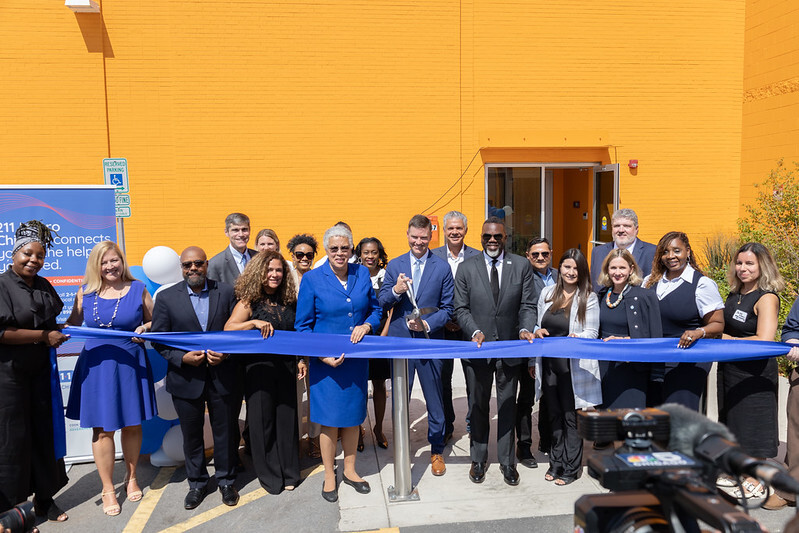 The grand opening of XCHANGE Chicago.
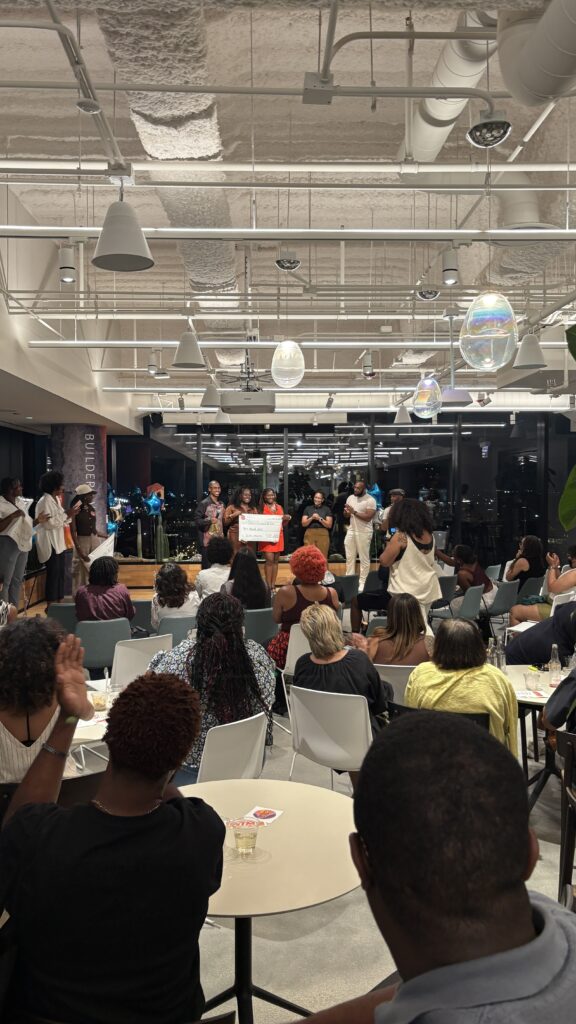 The 2025 “What's The Move's Community Pitch Competition” held in the Builders Vision office.
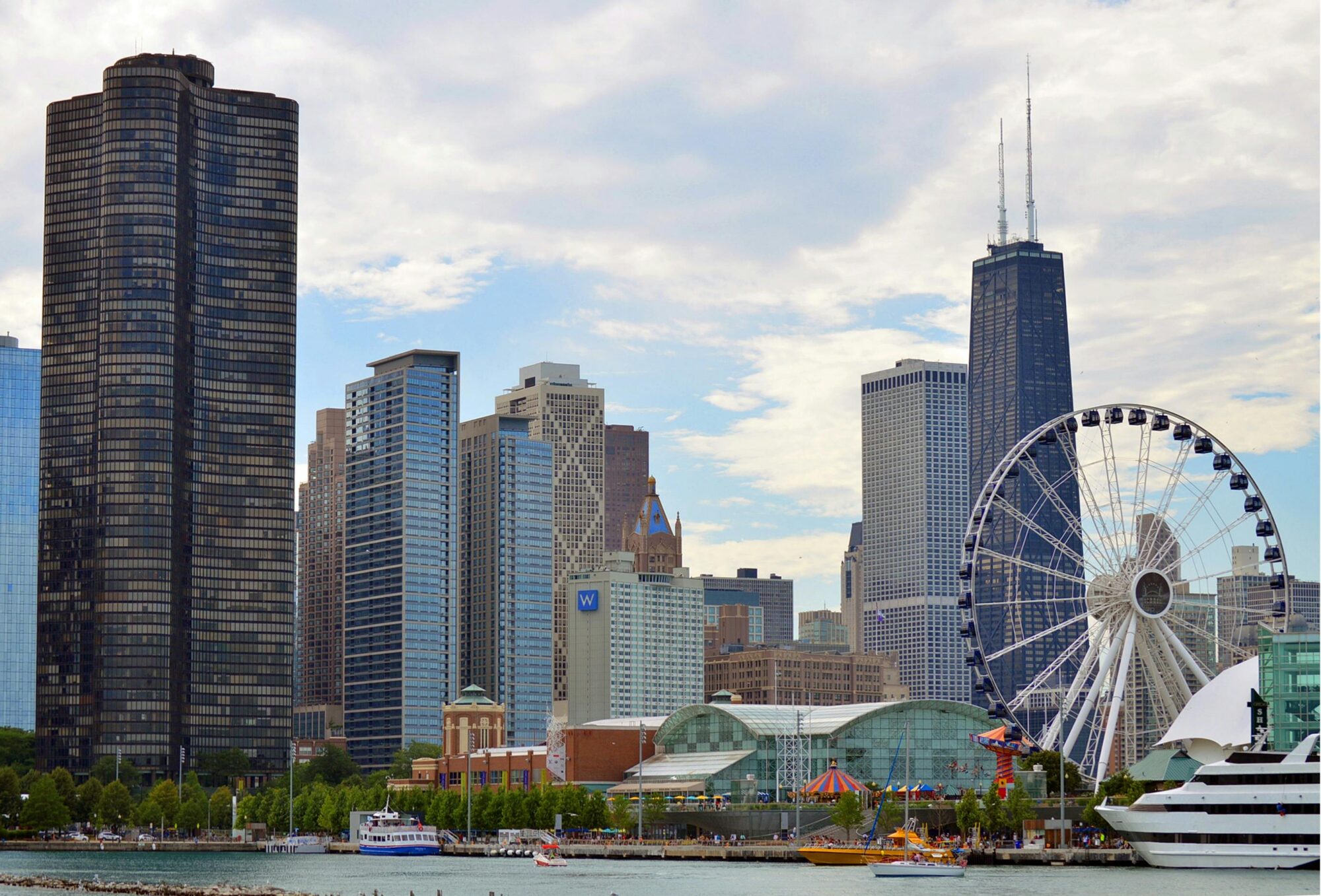
Chicago is a global city known for its resilience, strength and vibrant civic community. For Builders Vision, it’s also our home. We are proud to be headquartered in Chicago and recognize that truly being a good neighbor requires a deep commitment to the prosperity of every one of the city’s 77 neighborhoods.
Our work in Chicago is built on the belief that the city’s success is deeply interconnected with the health and prosperity of our communities.
Through our “Good Neighbor” and “Food Systems in Chicago” philanthropic programs, we provide flexible, often multi-year capital to organizations revitalizing local community corridors through investment in small business, creating opportunities for community wealth-building and supporting initiatives that increase access to healthy, locally sourced food. We provide opportunities for community-led projects to reach their full potential, on their own terms, creating a cycle of growth where neighborhoods across the city can thrive.
To date, this commitment has resulted in:
In the following Q&A, Laura Gutierrez, Program Officer, leading our Chicago “Good Neighbor” program, discusses how Builders Vision acts as a strategic partner to community-based organizations who are catalyzing change across Chicago.
How would you describe the overall strategy for our work in Chicago?
Laura G: Our “Good Neighbor” strategy is centered on the belief that long-term community resilience starts with wealth building. We believe that by prioritizing ownership and entrepreneurship, we can help residents and business owners create the generational equity needed for a thriving city.
Specifically, we support organizations and entrepreneurs whose programs create direct economic opportunities and strengthen local economies in communities across the south and west sides of Chicago. We’ve prioritized these neighborhoods because of the untapped potential that has often been sidelined by a lack of access to capital.
In practice, this means investing in the infrastructure that allows local businesses to scale. This can look like shared small business accelerators, commercial kitchens for food entrepreneurs or community-led lending programs that provide the foundational resources needed for a business to go from an idea to a pillar of the community.
This work is one part of a broader commitment to the city; our founder, Lukas Walton, also supports Chicago’s civic and academic institutions through his personal giving.
Is there a specific milestone that you feel captures the spirit of the Chicago program?
Laura G: I immediately thought of Xchange Chicago, a tech-focused career center that provides community members with practical job training and a direct pathway to employment. They work directly with IT suppliers to build a reliable pipeline of jobs that stay right here in Chicago.
We provided two years of funding during a critical final construction phase, stepping in where our support could be most beneficial: the completion of the greenhouse and a commercial kitchen led by local Chef Mychael Bonner. This project also allowed us to deepen our impact by supporting other organizations like 211, also located in the Xchange facility. It’s a great example of the role flexible funding can play in the long-term success of a project.
How is this approach different from traditional philanthropy?
Laura G: While some of our practices align with what you’d expect from traditional philanthropy, Builders Vision is much more flexible in how we provide funding.
We follow our partners’ lead. We let them guide the work and ask how we can show up more deeply to help them reach their goals on their own terms. This often means providing funding and guidance that goes “beyond the check”, such as connecting our partners to other potential supporters and funding internal priorities, like board development or strategic planning. Whether a partner needs to build out their internal capacity or strengthen their back office just to get a project off the ground, we want to support that foundational work. For us, it’s about being a long-term collaborator and funding their success, however they need it at that moment.
Some of Builders Vision’s earliest work in Chicago focused on healthy food access—many know it as the Food Systems in Chicago program. How has that work evolved over time, and how does it relate to—but remain distinct from—the Good Neighbor strategy?
Laura G: For our founder, Lukas Walton, food and agriculture have always been a core investment area and a personal passion. His first fund was dedicated to this space, and when he started Builders Vision in 2018, he brought that same focus to our impact in Chicago.
Our food systems work was one of our very first programs in the city, and today is led by the Director of the Chicago and Food portfolios, Haven Leeming. We believe that food is often the anchor for broader community health and economic opportunity, and we have designed our work to support communities building stronger food economies. We continue to work in three neighborhoods: Austin, Englewood and North Lawndale. We’ve made real progress fostering the cross-sector collaboration necessary to make healthy food access a permanent pillar of neighborhood vitality.
We were key philanthropic funders of the Go Green on Racine Fresh Market in Englewood, as well as for Forty Acres in Austin, both of which are dedicated to increasing access to high-quality, healthy food in their neighborhoods. We’re also proud of the impact of our partners who lead the Austin Eats Collaborative at Austin Coming Together, which brings together food nonprofits, businesses, and entrepreneurs together to advance a healthier food system in the neighborhood.
What advice would you give to funders looking at Chicago for the first time? Why is now a good moment to dig in?
Laura G: Small businesses are essential to creating thriving communities, and that’s especially true in neighborhoods that have historically faced barriers to investment. In Chicago, there is both tremendous need and a growing pipeline of organizations and entrepreneurs ready to take the next step.
What’s unique about Chicago is the alignment we’re seeing between the city, philanthropy and community-based organizations working together to support and grow these businesses. When small businesses in these neighborhoods succeed, it doesn’t just benefit those communities–it strengthens the economic vitality of Chicago as a whole.
An example is the Fund for Equitable Business Growth (FEBG), a fund housed at the Chicago Community Trust, FEBG convenes business support organizations to support small business owners in traditionally underinvested communities. By investing in these organizations, the group has been able to expand and strengthen the network of support available to local entrepreneurs.
My advice to funders is to explore the city beyond just the Loop—look at the immense talent and potential in our other neighborhoods. Philanthropy has helped build a strong foundation, and now many of these efforts are ready for the kind of capital that can help them scale their impact.