
Blog Posts
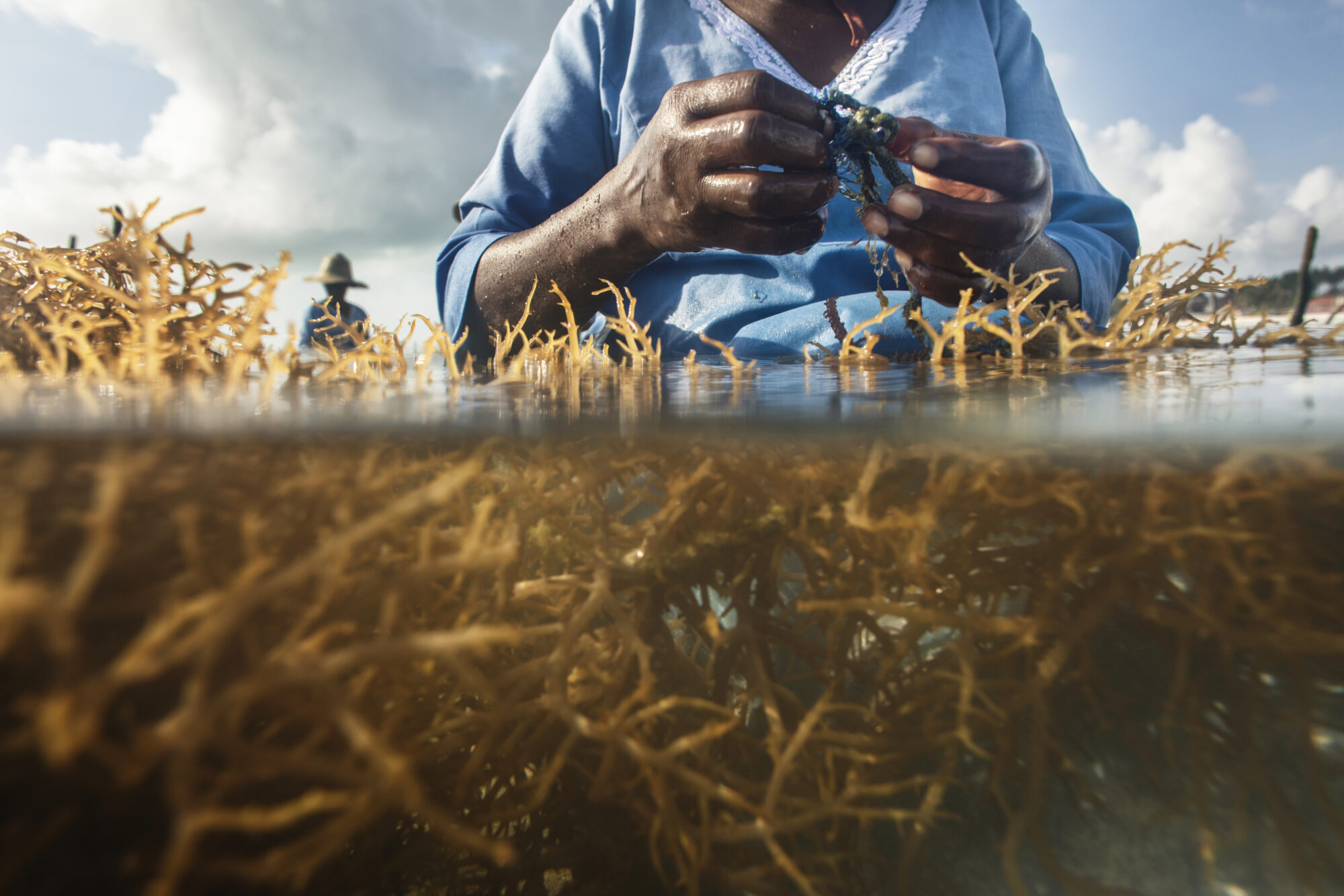
In this edition of “Field Notes,” National Geographic Explorer Malin Fezehai shares her experience documenting stories of resilience and grassroots innovation across coastal communities in East Africa.
This series is part of an ongoing partnership between Builders Vision and the National Geographic Society that supports a cohort of National Geographic Society Explorers—Brian Skerry, Malin Fezehai and Shireen Rahimi—as they travel the globe documenting the innovators, technologies and communities that are building a sustainable blue economy. Our first update came from Brian Skerry, who followed local small business owners actively reshaping the blue economy in the Gulf of Maine. Read Brian’s update here.
Now, we shift our focus to the coastlines of Kenya and Zanzibar. Malin’s on-the-ground reporting spotlights how coastal communities are protecting the ecosystems they depend on, adapting traditional livelihoods, and creating new possibilities for future generations.
When we talk about our changing ocean ecosystem, the narrative often defaults to one of crisis and loss. However, during my expedition, I was struck by powerful stories of adaptation, innovation and resilience. For the people I spent time with in Kenya and Zanzibar, the ocean is not an abstract environmental issue. It is part of their identity—it’s their food security, their culture and their pathway to financial independence.
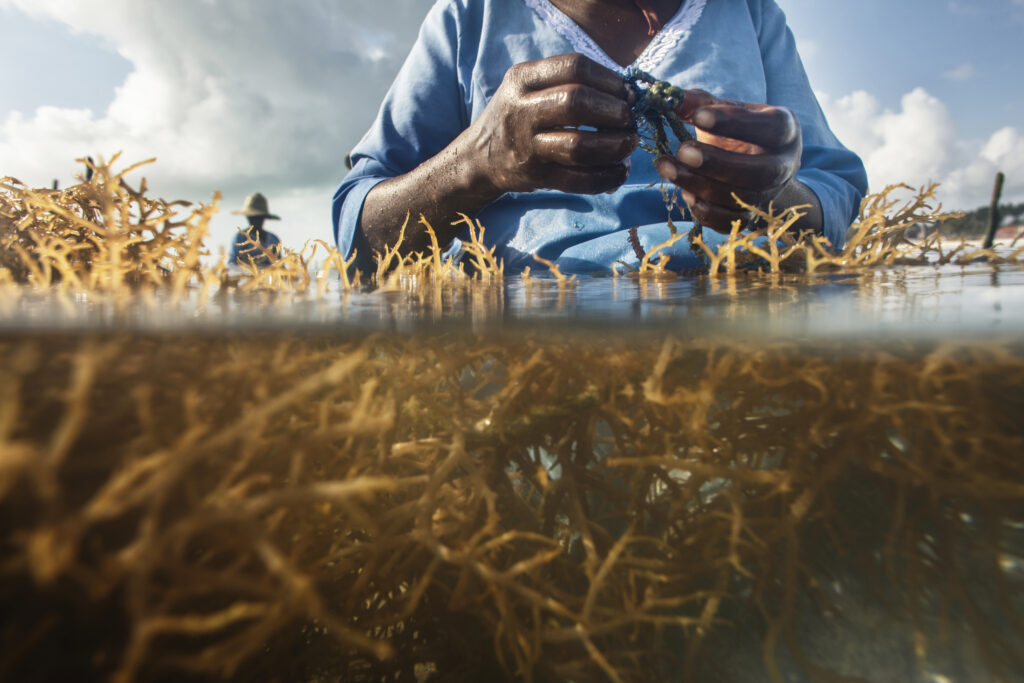
In Zanzibar, this drive for independence is led by an extraordinary network of women seaweed farmers. What struck me most wasn’t just the industry itself — it was the community it had built. In a conversation with a group of about fifteen women farmers, more than half shared that they were divorced, and what followed was an eye-opening dialogue about how this work had given them the ability to support themselves and their families entirely on their own. When ocean conditions shift, these women don’t give up — they share knowledge, adapt their farms and experiment to ensure their businesses survive.
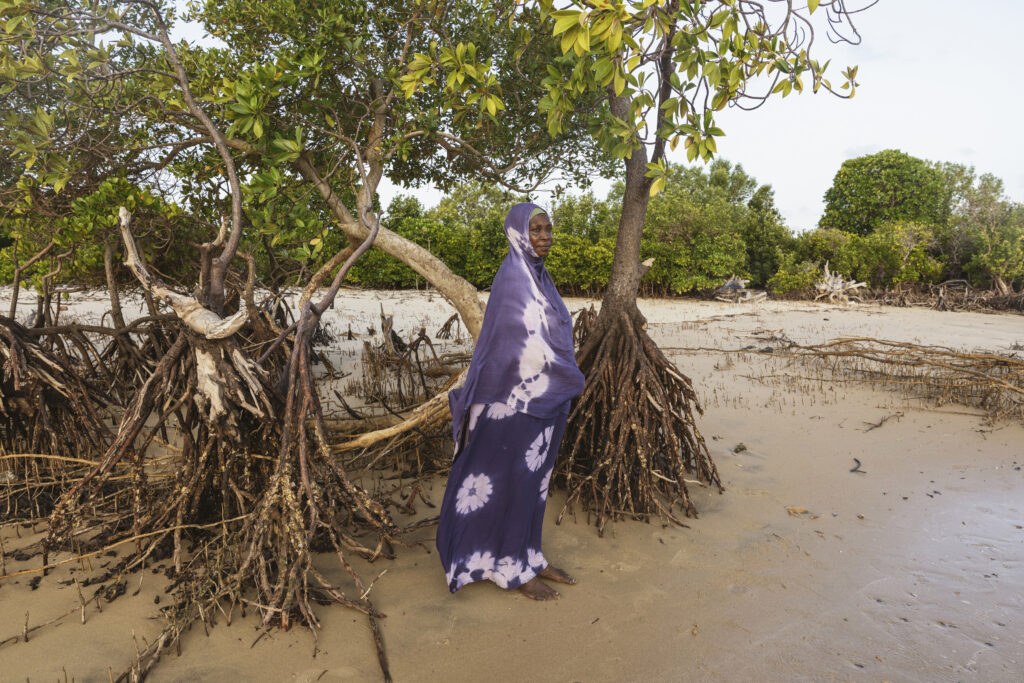
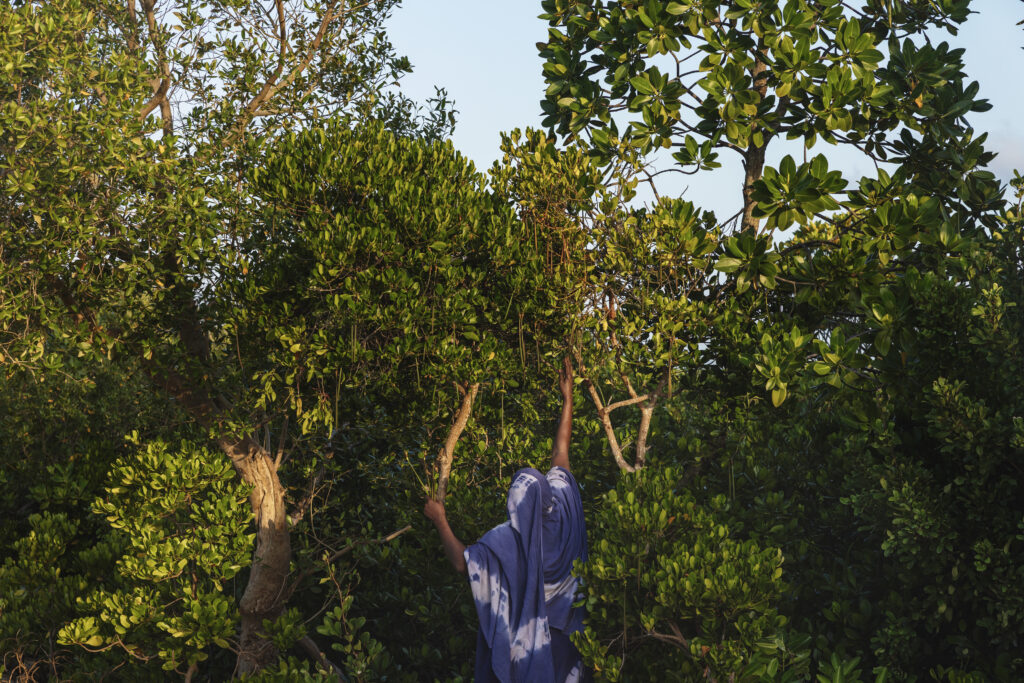
I witnessed a similar, proactive resilience in Lamu, Kenya, where communities are meticulously restoring mangrove forests to protect and sustain their local marine industries. These forests take years to grow, requiring immense patience and long-term commitment. The people there are investing their time and energy into this restoration because they understand the direct impact on their economy. Mangroves serve as the foundational infrastructure for the region’s commercial fishing sector. For these communities, a thriving ecosystem directly translates to stronger local businesses, robust fisheries and a more secure economic future for the next generation.
One common thread across these places was how closely people’s lives are tied to the health of the ocean. Protecting these ecosystems isn’t separate from supporting the communities that depend on them. A sustainable blue economy means creating the conditions where it is more fruitful for people to restore, grow and protect what surrounds them than to deplete or destroy it.
Check out photos from Malin’s past year in the field:
Malin’s stories underscore something we believe is essential to strengthening the blue economy: community-led innovation is often the proof point that a solution can work, but addressing the capital, knowledge and infrastructure gaps that hold nascent markets back is what determines whether those solutions can scale.
At Builders Vision, we invest in closing those gaps. Across the broader region, we fund R&D to build solution readiness, back ocean-focused accelerators and incubators to strengthen entrepreneurial capacity and support market infrastructure and standards for sectors like blue carbon and seaweed-based products that de-risk investment and help promising ideas thrive. This is what market-building capital looks like in practice: reframing the ocean as an economic opportunity, building the talent pipeline these industries need and demonstrating profitability—so a seaweed farm or restored mangrove forest can power a resilient economy and build stronger coastal communities.
Malin met the people driving this work on the ground. Our role is clearing the systemic hurdles that let their work, and the work of innovators like them, truly take hold.