
The cohort of National Geographic Explorers—Brian Skerry, Malin Fezehai and Shireen Rahimi—spent the past year traveling the world documenting the innovative models, technologies and businesses that are reshaping how the ocean is sustainably managed and protected. Their reporting spotlights different, exciting solutions that are driving both environmental resilience and creating long-term economic opportunity.
Through our “Field Notes” series, we will be sharing updates from their expeditions. Our first dispatch comes from the Gulf of Maine, where Brian Skerry is documenting a new era of resilience and innovation in a region whose economy has been tied to the health of the ocean for generations.
The Gulf of Maine is an epicenter of oceanic climate change, warming faster than nearly 97% of the global ocean (source). The combination of commercial, industrialized overfishing and recent changes to the climate have threatened the livelihood of local communities. Over the last year, my mission has been to find the stories of resilience that often aren’t told.
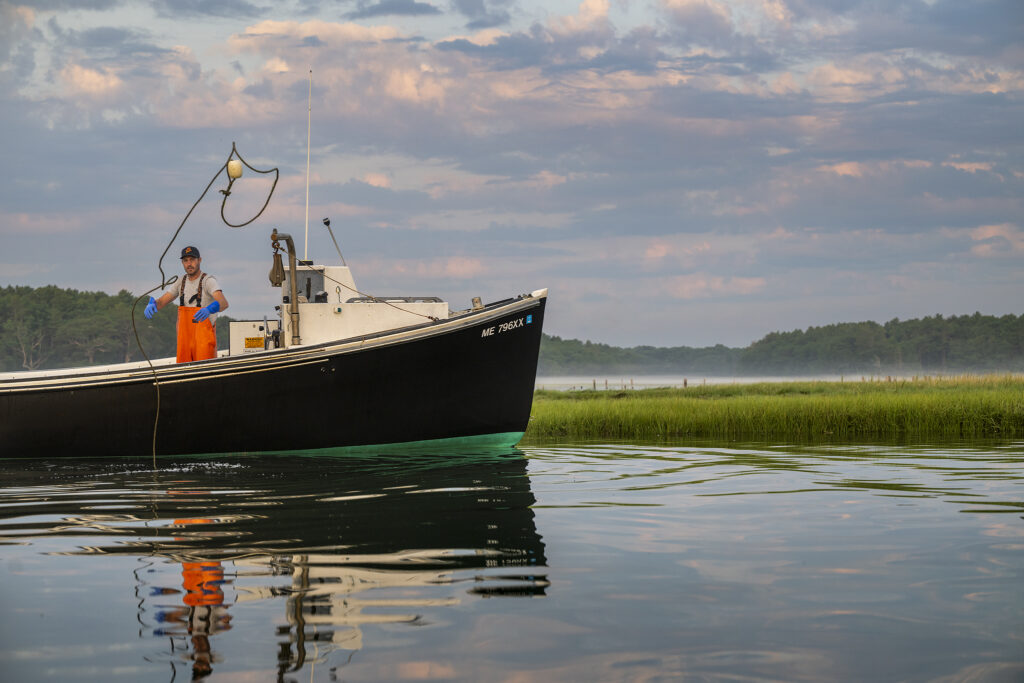
During my time in the field, I’ve found that the most powerful source of hope isn’t in the water—it’s in the people who live in these coastal communities. I’ve worked closely with entrepreneurs who are nimble and determined to find solutions that improve marine ecosystems while creating business opportunities for the region.
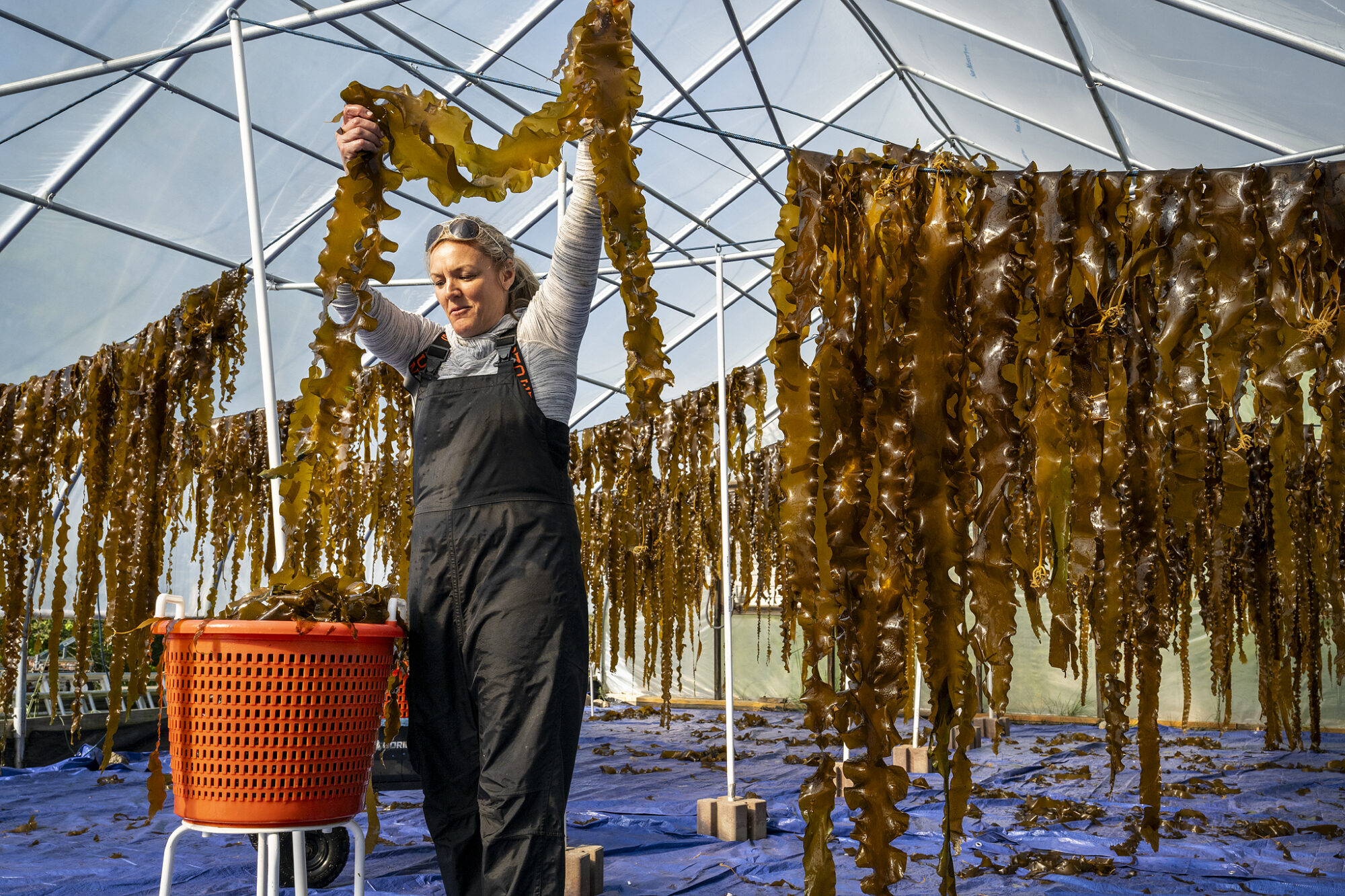
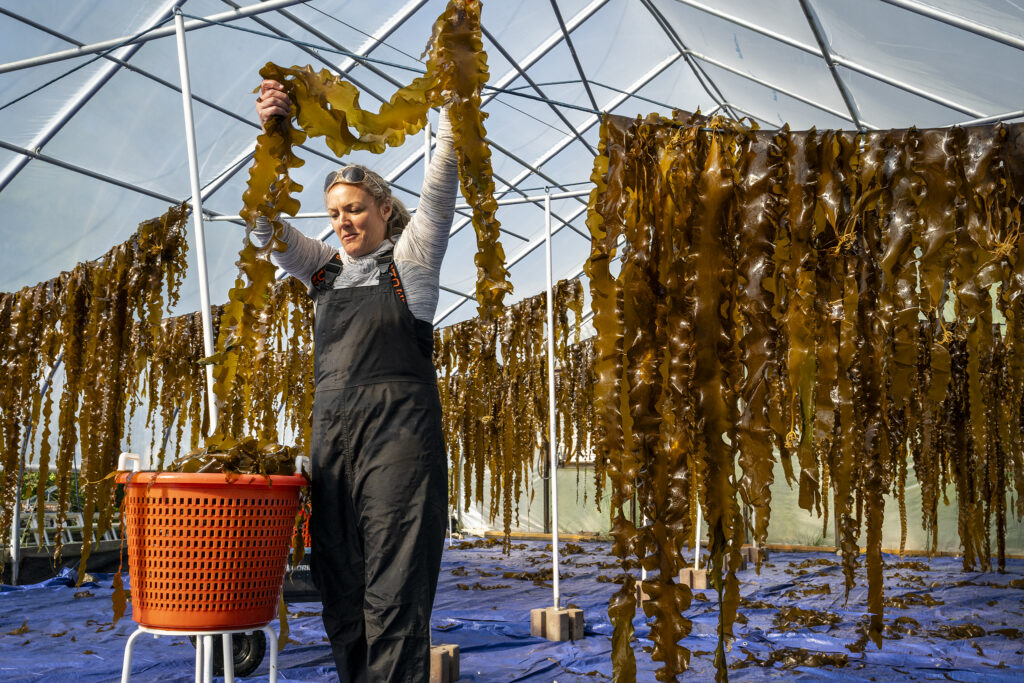
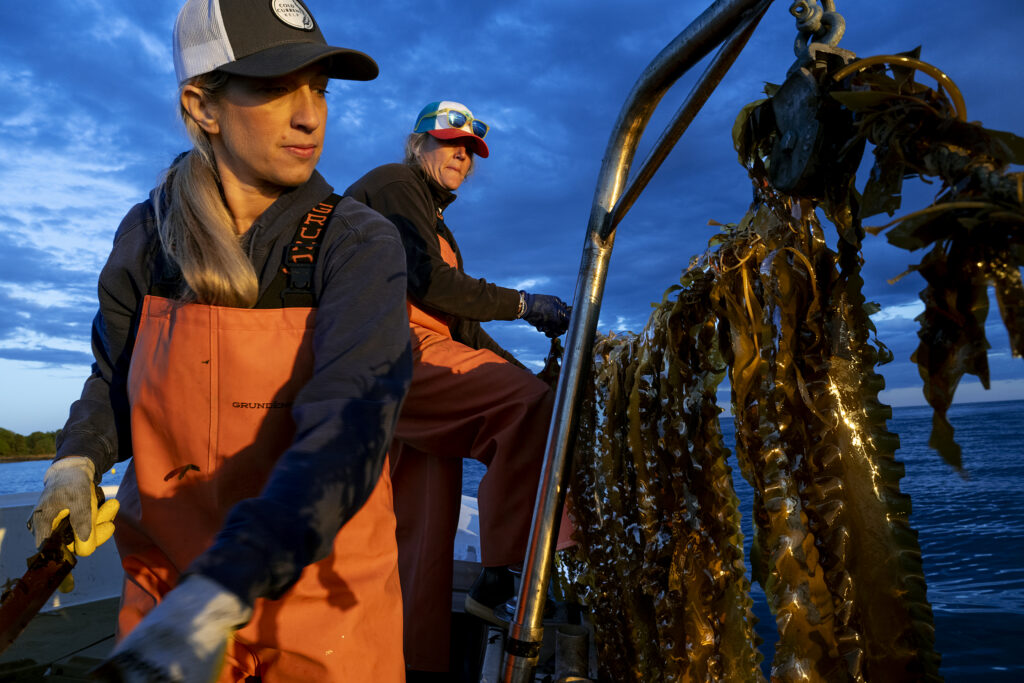
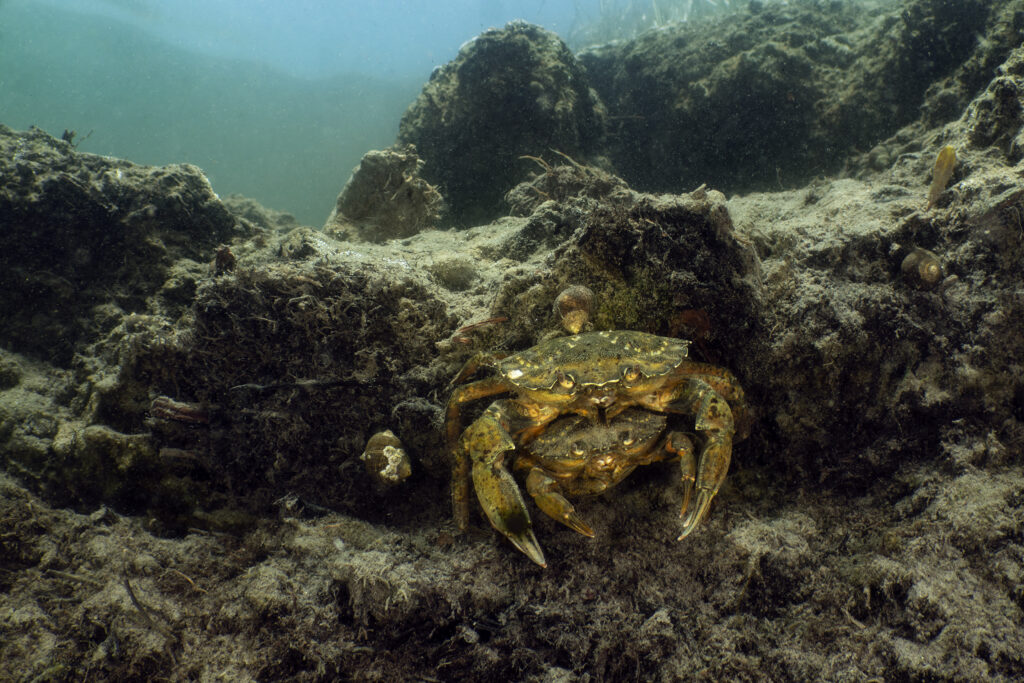
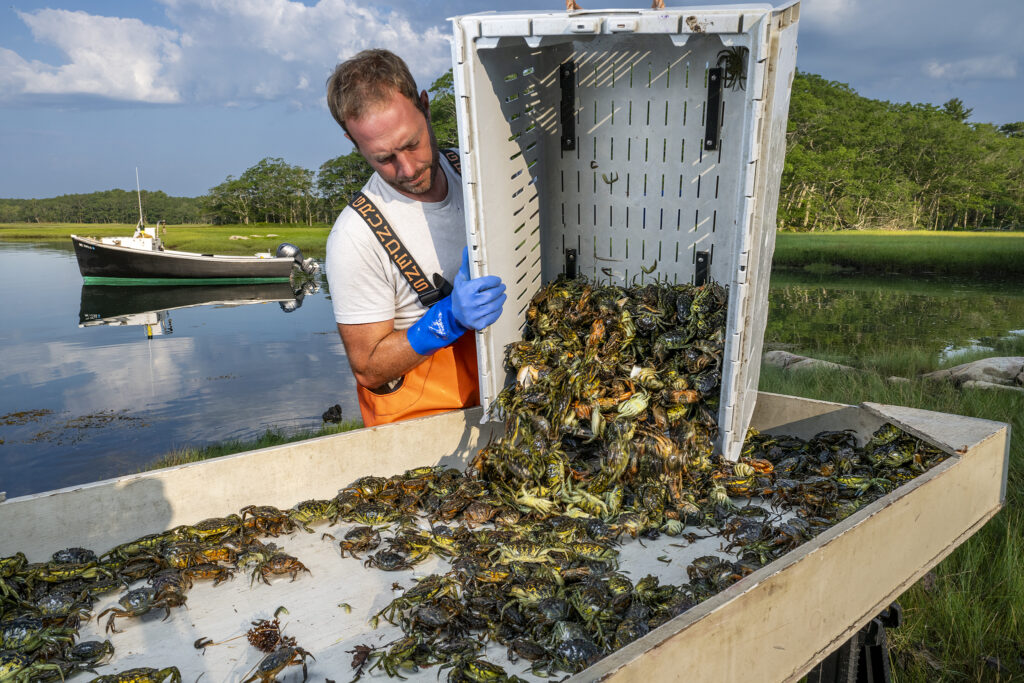
One example is Shell & Claw in York, Maine. Founder Mike Masi, a former marine biology teacher, saw the devastation caused by invasive green crabs and decided to build a market for them. By identifying exactly when these crabs molt, he’s created a gourmet market for soft-shell green crabs in New England restaurants. Another company I’ve worked closely with is Cold Current Kelp, where a former attorney and a biologist are farming kelp to create high-performance skincare.
I’ll admit, seeing the dedication and creativity of these business owners was a big source of hope but also the biggest surprise. They are proving that we can restore habitats while ensuring economic security and new opportunities for communities that have relied on these waters for centuries.
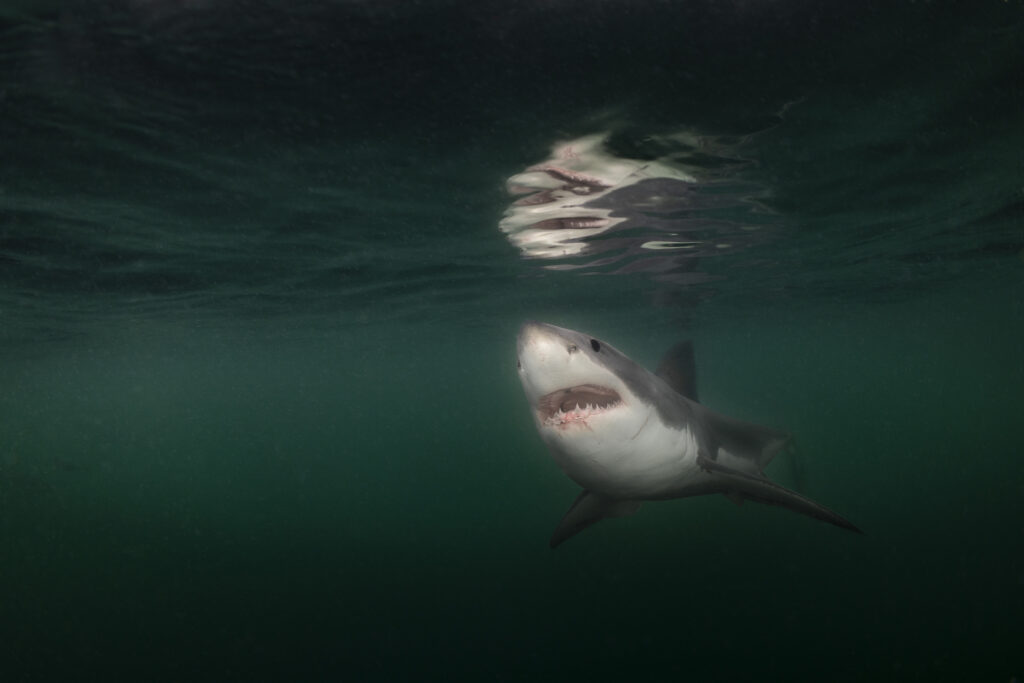
The ocean is also showing its own capacity to rebuild. One of the most powerful examples of resilience I witnessed was the recovery of the Great White shark. After decades of conservation efforts like the Marine Mammal Protection Act, we are finally seeing the return of these apex predators. This year, I captured the first underwater photograph of a Great White in Maine. It was an inspiring moment for myself and the ecosystem – a juvenile 10-foot shark is a significant indicator of a restoring ecosystem.
My hope for this project is that people will grasp the substantial degradation that has occurred to our marine ecosystems while also realizing that it isn’t too late to act. In fact, these new sustainable solutions and businesses are a reason for hope, not just for our oceans but for the economic vitality of entrepreneurs and business owners working across marine industries.
Building a truly sustainable blue economy requires a shared commitment across the entire value chain. By harnessing the collective power of science, policy and strategic investment, we can ensure the Gulf of Maine remains as productive and vibrant for the next generation as it was for the ones who came before.
Check out photos from Brian’s past year in the field:
At Builders Vision, we share Brian’s vision of the Gulf of Maine as an innovation hub for the modern blue economy. Maine has emerged as a world leader in restorative aquaculture, where a dedicated community of “fisher-farmers” is proving that traditional heritage and forward-thinking industry can work together to create year-round economic vitality. From pioneering plastic-free oyster farms to integrating deep-water seaweed farms with offshore wind, the innovation in the region proves that restorative practices are the engine for the next generation of high-growth, sustainable businesses.
Since 2020, we have invested over $20 million across the state to catalyze an ecosystem that is not just adapting to change, but actively building a more resilient and thriving future.